Loading content...
Frontend
Next.js
React
Next.js 14: The Future of Server Side

Lithin Kuriachan
Dec 15, 2023
12 Min Read
WRITTEN BY
Lithin Kuriachan
Tech Lead & ArchitectSHARE ARTICLE
Loading content...
Next.js 14 and React Server Components (RSC) represent a seismic shift in how we build for the web. By moving component logic to the server, we've fundamentally changed the performance characteristics and developer experience of React applications. This deep dive explores the nuances of the App Router, Server Actions, and the architectural patterns that define modern web engineering.
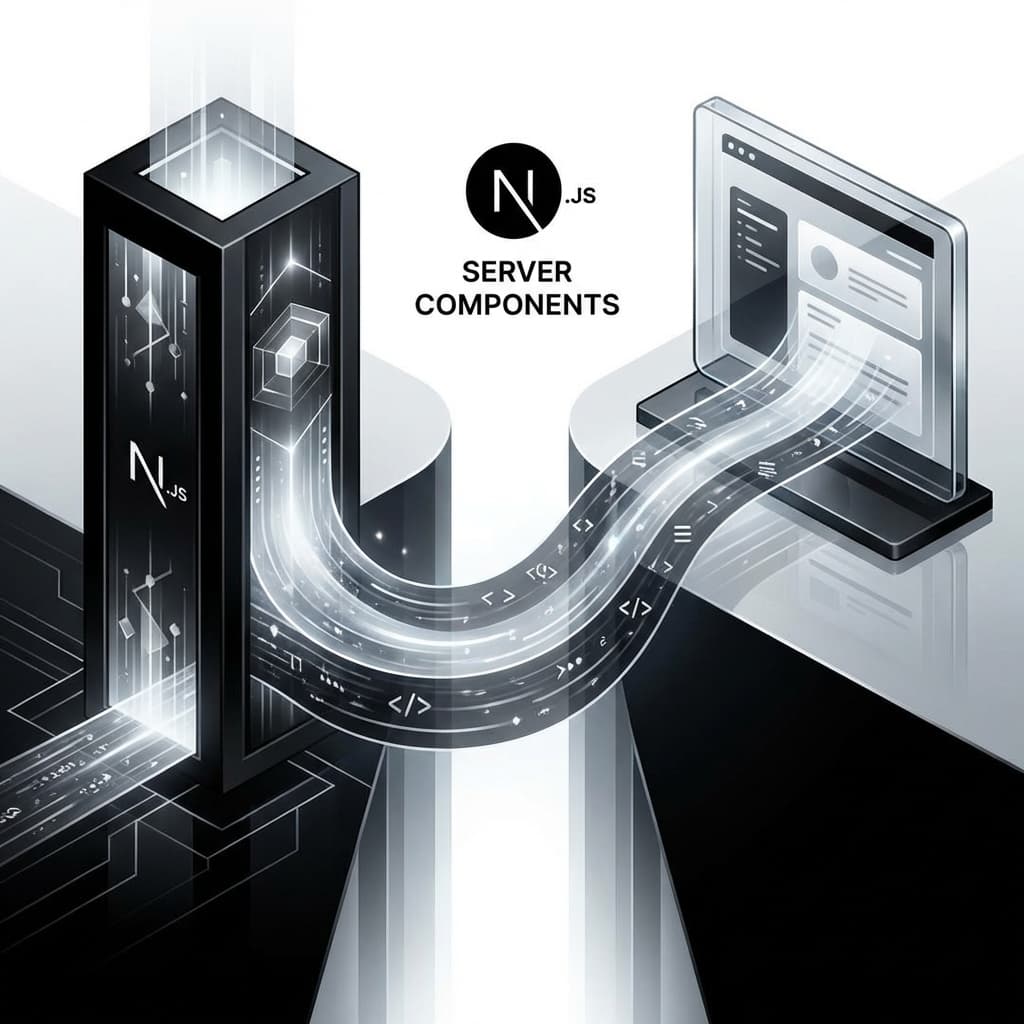
Traditional React applications relied heavily on "Client-Side Rendering" (CSR), where the browser downloaded a large JavaScript bundle to build the UI. Server Components flip this script. Now, components can stay on the server, fetching data directly from your database or file system without ever sending that logic to the client.
Server Components are rendered on the server and sent as static HTML. No JavaScript is needed for these components on the client.
Fetch data directly inside your component using async/await. Your secrets and API keys never leave the server.
The client only hydrates the interactive parts of your app, significantly reducing Time to Interactive (TTI).
Gone are the days of writing dozens of API routes for simple form submissions. **Server Actions** allow you to define asynchronous functions that run on the server and can be invoked directly from your Client or Server Components.
Next.js 14 introduces a sophisticated caching layer that operates at four levels:
Waiting for a slow data source should not block your entire page. With **Streaming**, you can break down the page's HTML into smaller chunks and progressively send them to the client. Using React Suspense, you can show a loading state for specific components while the rest of the page remains interactive.
Even though logic is on the server, the user experience should feel instantaneous. Next.js provides hooks like `useFormStatus` and `useOptimistic` that allow you to update the UI immediately before the server responds, giving your app a "latency-free" feel.
Security is baked into the foundation. By default, anything in a Server Component is never exposed to the client. We use `server-only` packages to ensure that sensitive logic (like direct database calls) never gets bundled into the client-side JavaScript by mistake.
Next.js 14 is not just an update; it's a complete rethink of how we build for scale. By mastering Server Components and Actions, you're not just writing code—you're building faster, more secure, and more resilient applications that will define the web for years to come.
The future of React is on the server. Embrace the shift.